Blog
Discover the Best Places to Stay, Dine, Shop & Explore
Discover the Best Places to Stay, Dine, Shop & Explore
October 29, 2026
The best time to visit Meghalaya is generally from October to April, when the weather is often more suitable for sightseeing, road trips, cave exploration and visiting waterfalls. However, the ideal travel season depends on what you want to experience. Winter and early spring are popular for comfortable sightseeing, while the monsoon months transform Meghalaya into a landscape of lush green hills, powerful waterfalls and mist-covered valleys.
Known for its dramatic landscapes, living root bridges, caves and charming hill towns, Meghalaya offers different experiences throughout the year. Understanding Meghalaya weather by month can help you choose the right travel dates, prepare for changing conditions and plan your itinerary more effectively.
Meghalaya has a climate influenced by its hills, elevation and heavy monsoon rainfall. Weather conditions can vary between destinations, so Shillong, Cherrapunji (Sohra), Mawlynnong and Dawki may not experience identical conditions on the same day.
The year can broadly be divided into three travel seasons:
● October to April: Generally suitable for sightseeing, scenic drives, village visits and outdoor activities, although winter mornings and evenings can be cold.
● May to September: The monsoon period brings heavy rainfall, greener landscapes and impressive waterfalls, but outdoor plans may be affected by rain and road conditions.
● March to May: A transition towards warmer weather, with opportunities for sightseeing and exploring natural attractions before the peak monsoon period.
There is no single perfect month for every traveller. Your choice should depend on whether you prioritise comfortable weather, waterfall views, photography, trekking or a relaxed family holiday.
Best Time to Visit Meghalaya by Season
October and November are often excellent months for exploring Meghalaya after the main monsoon period. The countryside remains green, and many travellers appreciate the combination of pleasant sightseeing conditions and beautiful landscapes.
You can plan visits to Shillong, Cherrapunji, Mawlynnong and Dawki, depending on local weather and road access. Waterfalls may still have good water flow after the rainy season, although their appearance varies with recent rainfall.
This period is particularly suitable for travellers who want to combine sightseeing, village experiences, photography and scenic road journeys without planning their entire holiday around heavy rain.
Winter is a popular travel season in Meghalaya, particularly for visitors who prefer cooler weather and relatively lower rainfall.
Shillong can feel chilly, especially in the mornings and evenings, so carrying warm clothing is important. Clearer weather may provide attractive views across hills and valleys, although fog and changing conditions can still affect visibility.
Winter is a good time to explore caves, visit cultural attractions, discover local markets and plan outdoor sightseeing when conditions permit. Travellers should still check local access information before visiting remote locations or undertaking longer walks.
March and April offer a transition towards warmer conditions before the main monsoon season. These months can be suitable for exploring Meghalaya's popular destinations while enjoying the changing colours of the landscape.
Visitors can plan scenic drives, village visits, cave exploration and trips to viewpoints. Spring is also a good option for travellers who want outdoor experiences without deliberately choosing the wettest months of the year.
As April progresses, rainfall may increase in some areas, so checking the forecast close to your departure date is useful.
Meghalaya receives substantial rainfall during the monsoon season. Its hills become exceptionally green, streams swell and waterfalls can become dramatic natural attractions.
This season appeals to nature lovers and photographers who want to experience Meghalaya's rain-soaked landscapes. However, heavy rain can also lead to slippery walking paths, reduced visibility, travel delays and temporary restrictions at certain attractions.
If you visit during the monsoon, keep your itinerary flexible and avoid risky activities around swollen rivers, waterfalls and steep trails. Always follow local safety instructions.
The following table provides a general guide to seasonal conditions. These are broad climate patterns, not a forecast for specific travel dates.
Month Typical Conditions Travel Suitability
January Cool and generally drier Good for sightseeing
February Cool to mild, often relatively dry Good for outdoor exploration
March Mild to warmer conditions Good for road trips and sightseeing
April Warmer, with rainfall beginning to increase Good with flexible planning
May Increasing rainfall and greener scenery Suitable for monsoon-season travellers
June Heavy monsoon rainfall in many areas Best for rain lovers who plan carefully
July Very wet, lush landscapes Waterfall viewing may be impressive; check safety
August Continued heavy rainfall Suitable for flexible nature-focused trips
September Rainfall may remain significant Conditions vary; check forecasts
October Often a transition towards drier weather Good for scenic sightseeing
November Generally more comfortable for outdoor visits Excellent for many first-time visitors
December Cool and often relatively dry Good for sightseeing and photography
March and April offer a transition towards warmer conditions before the main monsoon season. These months can be suitable for exploring Meghalaya's popular destinations while enjoying the changing colours of the landscape.
Visitors can plan scenic drives, village visits, cave exploration and trips to viewpoints. Spring is also a good option for travellers who want outdoor experiences without deliberately choosing the wettest months of the year.
As April progresses, rainfall may increase in some areas, so checking the forecast close to your departure date is useful.
Meghalaya receives substantial rainfall during the monsoon season. Its hills become exceptionally green, streams swell and waterfalls can become dramatic natural attractions.
This season appeals to nature lovers and photographers who want to experience Meghalaya's rain-soaked landscapes. However, heavy rain can also lead to slippery walking paths, reduced visibility, travel delays and temporary restrictions at certain attractions.
If you visit during the monsoon, keep your itinerary flexible and avoid risky activities around swollen rivers, waterfalls and steep trails. Always follow local safety instructions.
The following table provides a general guide to seasonal conditions. These are broad climate patterns, not a forecast for specific travel dates.
Rainfall and temperature vary by location and year. Before booking, consult the official Meghalaya Tourism website and review current weather forecasts for your destinations.
Meghalaya has a wide range of natural and cultural attractions. Choosing the right season can influence how easily you reach them and what the landscapes look like.
Shillong is a convenient base for exploring the region. Visitors can discover local markets, enjoy viewpoints, visit museums and plan day trips to nearby natural attractions.
October to April is often suitable for general sightseeing, although winter can be cold and cloudy conditions are possible throughout the year. During the monsoon, allow extra time for road journeys.
Cherrapunji is known for its heavy rainfall, green hills, caves and spectacular waterfalls. During and after the monsoon, waterfalls can be particularly striking, depending on recent rainfall.
For easier sightseeing and walking, many visitors prefer the post-monsoon or drier months. If you travel during the rainy season, check whether viewpoints, trails and roads are accessible before setting out.
Dawki is popular for the Umngot River and its clear-looking water under suitable conditions. Visibility can change with rainfall, river flow and local conditions, so the river may not always look equally transparent.
October to April is often considered a practical period to plan a visit, but conditions should be checked locally. Boating and other water-based activities should only be undertaken when operators and local authorities consider them safe.
Mawlynnong is known for its village environment, greenery and living root bridge experiences in the surrounding region. Visitors can enjoy village walks, local culture and the natural landscape.
Drier months are often more convenient for walking and exploring, while the monsoon makes the surroundings especially green. During wet weather, paths can be slippery, so suitable footwear is important.
Meghalaya's living root bridges are remarkable examples of traditional knowledge and long-term interaction with nature. Visiting them may involve steep steps, uneven paths and extended walks.
The cooler, relatively drier months can be more comfortable for trekking. During the monsoon, routes may become slippery or temporarily inaccessible. Check trail conditions and choose an activity level that suits your fitness and available time.
Choosing the right season is only one part of planning your holiday. Your itinerary should also consider travel distances, road conditions, activity durations and the time required to explore each destination.
A short trip can focus on Shillong and selected nearby attractions, such as Cherrapunji or Mawlynnong. Avoid including too many distant locations in a limited number of days, especially if you are travelling during the rainy season.
A week gives you more flexibility to explore Shillong, Cherrapunji, Dawki and Mawlynnong at a comfortable pace. You can allow additional time for viewpoints, village visits and selected nature experiences.
If you are planning a broader holiday across North India, you can also explore Cocomyst's North Indian tour packages for more destination inspiration.
Prioritise waterfalls, forest walks, caves and scenic viewpoints. During the monsoon, leave spare time for weather-related changes. In the drier months, you may be able to schedule more outdoor activities, subject to local access and safety conditions.
A well-prepared trip can make your experience more comfortable, whatever month you choose.
● Check the forecast before departure: Rainfall can change rapidly, particularly in the hills.
● Pack according to the season: Carry warm layers in winter and waterproof clothing during rainy months.
● Wear suitable footwear: Comfortable shoes with good grip are useful for village walks, caves and uneven trails.
● Allow extra travel time: Hill roads, traffic and weather can affect journey durations.
● Check attraction access: Some trails, viewpoints and outdoor activities may close temporarily during unsafe conditions.
● Respect local customs: Follow community guidelines when visiting villages and cultural sites.
● Keep your itinerary flexible: Avoid scheduling several weather-sensitive activities back-to-back.
● Choose transport carefully: If hiring a vehicle, discuss the route, travel duration and possible weather delays with your driver.
These simple precautions can help you enjoy Meghalaya's landscapes without relying on perfect weather every day.
Planning a Meghalaya holiday involves choosing the right season, selecting suitable destinations and organising transport between hill towns, villages and natural attractions. A well-balanced itinerary helps you make the most of your available time while allowing flexibility for changing weather.
Cocomyst helps travellers explore holiday options and plan trips around their preferences. If Meghalaya is part of a larger North Indian journey, you can review North Indian tour packages for further inspiration or contact our travel experts to discuss your travel requirements.
The best time to visit Meghalaya depends on the experience you want. October to April is generally a practical choice for sightseeing, scenic drives and outdoor exploration, while the monsoon months offer lush landscapes and impressive waterfalls for travellers who are comfortable with wet conditions.
Before finalising your trip, consider Meghalaya weather by month, check local access and road conditions, and choose destinations that suit your travel style. With realistic planning and a flexible itinerary, you can experience Meghalaya's natural beauty in different seasons.
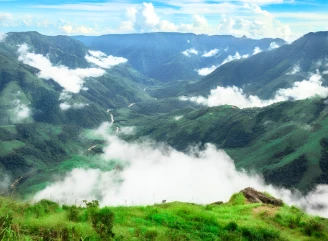
October 29, 2026
Find the best time to visit Meghalaya with a month-by-month weather guide, seasonal attractions, waterfall experiences and practical travel tips for planning a memorable holiday.
read more
October 27, 2026
Planning a Manali trip from Kerala? Explore the best flight, train and road routes, estimated travel expenses, a sample itinerary and useful tips for a smooth mountain holiday.
read more
October 26, 2026
Planning your first Singapore trip? Discover the best attractions, transport options, estimated travel costs, local food experiences and practical tips for a smooth and memorable holiday.
read more